
Learn
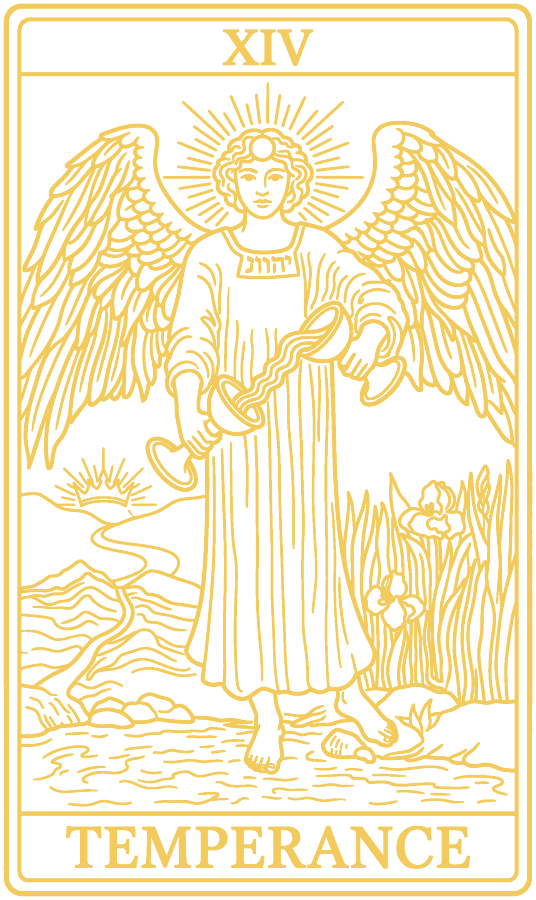
Representing patience, balance, and the art of blending opposites, Temperance mixes theory and practice in just the right measure. Short, practical writing on the training ideas behind Auriga's features: RPE, programming, and meet prep. No sign-up needed to read any of it.
All 17 articles
How tos · Demos
Auriga for Athletes: Getting Started
A walkthrough of every page you'll actually use as an athlete on Auriga, from your sign-up email to logging a session and reading your own training analysis, and what each Tarot card along the way is about.
How tos · Demos
Auriga for Coaches: Getting Started
A walkthrough of every page you'll actually use as a coach on Auriga, from building a template to reading training analysis, what each Tarot card is about along the way, and the exercise-naming conventions that make the automatic analysis work.
How tos · Getting into Powerlifting
How to autoregulate powerlifting training with RPE
A plain guide to using Rate of Perceived Exertion to adjust training day to day, instead of chasing fixed percentages that assume your max never moves.
Research
General vs Individualised models for RIR in VBT
How individualised RIR-velocity and 1RM prediction models stack up against the generic charts most e1RM calculators still use, and what three recent studies actually found.
Research
Why your e1RM calculator does not know your athlete
Epley and Brzycki have been guessing one rep maxes for decades. A look at what the research says these population charts get wrong, and why an individualised fit does better.
Research
What is Velocity Based Training (VBT)?
A plain guide to velocity based training: where it came from, what the research says about linking bar speed to effort, and how to start measuring it yourself.
Getting into Powerlifting
GL, DOTS, and Wilks: Powerlifting's Scoring Formulas Explained
How GL, DOTS, and Wilks let you compare lifters across weight, equipment, and events, and how the IPF's own GL formula actually works.
Research
Enjoyment Is a Training Variable
Training enjoyment isn't a nice-to-have. It's one of the strongest predictors of whether you're still lifting in a year. Here's what the research says, and how to track it.
Getting into Powerlifting
Progressive Overload: The Oldest Idea in Strength Training
Progressive overload isn't a modern invention. From a legendary Greek strongman to a WWII rehab ward, it's one of the oldest ideas in strength training. What it is, how to apply it, and how to track it.
Getting into Powerlifting
So You're Doing a Powerlifting Comp… Now What?
A first-timer's walkthrough of competition day, from finding your handler and weighing in through to the squat, bench, and deadlift commands, plus what to wear and bring.
Getting into Powerlifting · How tos
What and Why: Tempo and Pause
Why powerlifting programs lean on tempo and paused variations: the bench pause, technique work, and hypertrophy, plus how to read tempo notation like 0-2-0 and 4-2-3, and how Auriga tracks it.
How tos
What is RiTiS? Comparing sets of different reps and RPEs
RiTiS is how Auriga compares similar sets. Is a double at six meant to be heavier or lighter than a 4 at nine? RiTiS tells you, and here's how it works and how Auriga uses it.
How tos
Eight Admin Jobs Powerlifting Coaches Often Forget (UK)
Coaching is more than programming. Here are the licences, fees, tax and consent jobs UK powerlifting coaches tend to forget, and where to check each one.
Demos
Meet The Hermit and The Hierophant
A live demo of Auriga's training analysis and training log, running on one of Will's own five-week training blocks. No sign-up needed.
Getting into Powerlifting
Stiff Knee Sleeves Are Legal Until the End of 2026. What Changes in 2027?
The IPF banned stiff 7mm knee sleeves, then reversed it. They're allowed until 31 December 2026, and new engineered standards for sleeves start in 2027. Here's what that means if you're buying sleeves or planning a meet.
Getting into Powerlifting
Agata Sitko's Suspension: What Happened, and Where It Stands
Why Poland's federation suspended the 69kg world record holder, what it meant for her IPF competing, and where her case stands now.
Getting into Powerlifting · How tos
GL Quick Maths
How the IPF GL formula behaves, why a kilo of bodyweight rarely changes your score, and calculators for your GL, DOTS and the GL you gain by weighing in under the limit.